

55% of frontline workers plan to leave their jobs within the next year. The reason? Work feels like a transaction, not a relationship. We’re living in an era of high churn, quiet quitting, and employee disengagement. And while compensation matters, the deeper issue runs through the very structure of work itself.
In many workplaces, employment has become purely transactional: “I give you hours, you give me money.” But today’s workforce wants more. They need more. And the employers who figure that out? They keep their people, grow faster, and build stronger, more resilient cultures from the inside out.
The Problem with Transactional Thinking
Transactional employment feels efficient. Clean. Measurable. But to employees, it sounds like this:
- “We need you to show up, but we won’t ask how you’re doing.”
- “Here’s your paycheck — everything else is on you.”
- “We expect loyalty, but we won’t invest in your life.”
That model might have worked in a different era. But today’s employees aren’t just working for wages. They’re looking for stability. Flexibility. A sense of respect and momentum. If they don’t find it with you, they’ll find it somewhere else.
The Cost of Transactional Employment
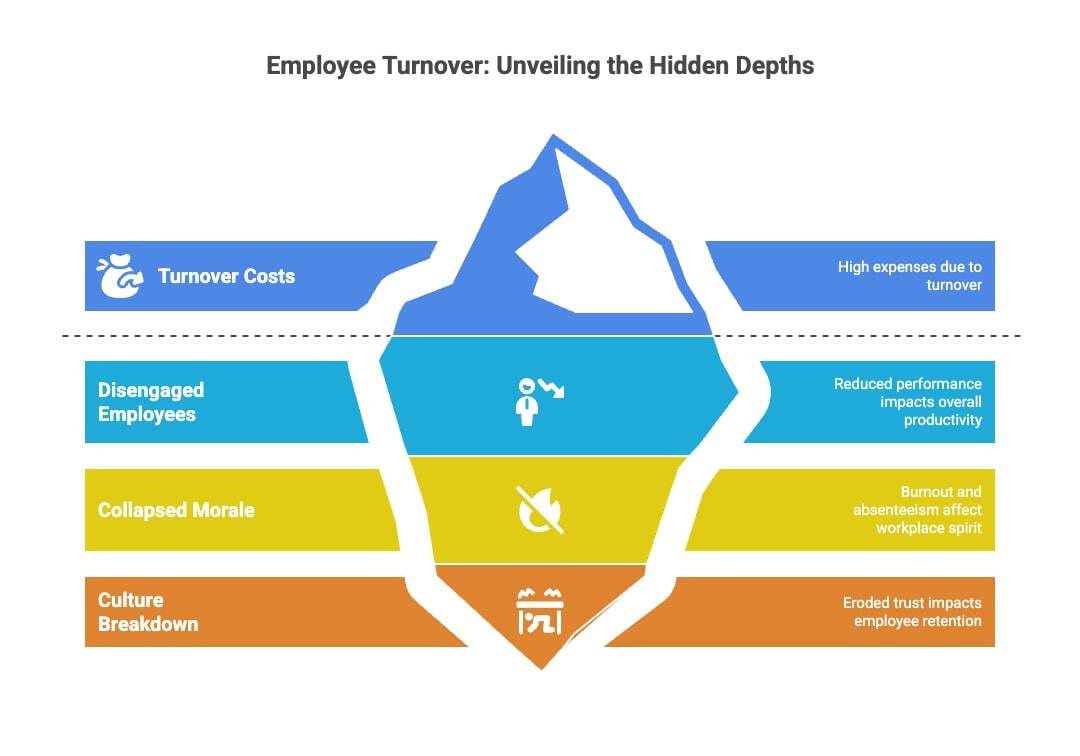
When work feels transactional, employees disconnect. They stop engaging, stop referring, stop caring — and eventually, they leave. The fallout touches every part of your business—especially the bottom line:
- Turnover costs skyrocket with constant hiring, training, and lost productivity.
- Disengaged employees drain performance, contributing to a $1.9 trillion annual loss in U.S. productivity alone.
- Morale collapses, leading to burnout, absenteeism, and internal churn.
- Culture breaks down, eroding trust and making retention everyone’s problem.
And the most frustrating part? It’s preventable. Not with snacks or swag — but with support that actually solves the problems your people face every day.
What Employees Really Want: The Emotional Paycheck
Contrary to popular belief, employees don’t expect perfection. They expect to be seen, supported, and empowered. They want to know: “Are you here for me, or just what I can do for you?”
At Payactiv, we call this the emotional paycheck—the unseen but powerful currency that drives employee loyalty, engagement, and advocacy. The emotional paycheck is driven by four key levers:
- Control: Power over their time and money.
- Access: Remove barriers to essential resources.
- Growth: A path beyond the grind.
- Recognition: Proof they are seen and valued.
It’s not about adding more perks. It’s about respect—replacing the old employment contract with a new commitment to mutual growth.
What to Do Instead: Power Progress
To break the cycle of transactional churn, employers must shift from extraction to investment. That starts by:
1. Meet Employees Where They Are
Don’t assume everyone’s ready to plan for retirement. Many are still trying to make it through the month. Real support starts by acknowledging that reality.
Urban Outfitters recognized this early. With the rising cost of living, their employees were facing obstacles like affording bus fare, gas, or basic essentials just to show up for work. The company previously offered small advances, but the growing volume of requests made it clear: one-off advances weren’t a solution—they were a signal of something bigger.
By turning to Payactiv’s Earned Wage Access1, Urban Outfitters provided a responsive, stigma-free solution for daily financial strain. The result: higher employee adoption, stronger engagement, and a benefit that genuinely aligned with their workforce’s real-life challenges.
2. Solve Real Problems, Not Optics
Today’s workers want support that’s flexible, responsive, and actually useful. That includes:
- Earned Wage Access (EWA)
- Bill pay and budgeting tools
- Automated goal-based saving2 using the Payactiv Visa® Card*
In fact, new research from the American Fintech Council shows just how vital EWA has become:
- 8 in 10 U.S. voters support access to EWA
- 87% say losing access would push them toward high-cost alternatives like credit cards or payday loans
And the consequences of restricting access are tangible: Connecticut’s 2024 EWA restrictions led to real harm. According to a University of Connecticut study, over one-third of families reported going without essentials, and:
- 26% of affected users had to rely on credit cards
- 31% borrowed from friends or family
- 8% pawned personal items, 6% took out payday loans
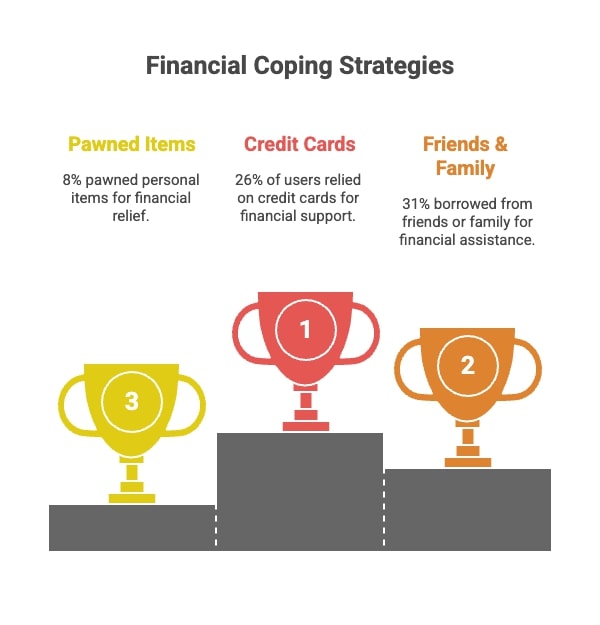
The cost of removing access to EWA is not theoretical — it’s measurable and immediate.
3. Build a Growth Culture, Not Just a Work Culture
Norman Regional Health System uncovered deep financial stress across its 3,800-person workforce. Employees were struggling with inflation and basic needs. They launched Payactiv during the holidays as part of a culture shift—one that treated financial wellness as essential to workforce performance and morale.
“Our people are now in a place where they can function at their best—personally and professionally.” — Keith Minnis, Chief People Officer, NRHS
When employees see you investing in their journey — not just extracting their labor — they respond with loyalty. Because when workers grow, businesses grow. But someone has to go first.
From Transaction to Transformation
Transactional employment might get someone through the door. But it won’t keep them there. The companies that will win this new era of work are the ones who build partnerships, not just paychecks. Because loyalty isn’t bought. It’s earned — through empathy, investment, and action.
The future of work belongs to companies willing to lead, not follow. Will you be the employer who transforms jobs into journeys — or the one wondering why talent keeps walking out the door?
1Earned Wage Access requires employer participation. Employees can only access a portion of the wages they have earned to date.
2Goal-based saving is a set-aside account, and you will not receive interest or other earnings on funds in your goal-based account.
*Central Bank of Kansas City does not administer, nor is liable for earned wage access. The Payactiv Visa Prepaid Card is issued by Central Bank of Kansas City, Member FDIC, pursuant to a license from Visa U.S.A. Inc. Certain fees, terms, and conditions are associated with the approval, maintenance, and use of the Card. You should consult your Cardholder Agreement and the Fee Schedule at payactiv.com/card411. If you have questions regarding the Card or such fees, terms, and conditions, you can contact us toll free at 1-877-747-5862, 24 hours a day, 7 days a week.All content provided on Payactiv.com/financial-learning/ is for informational purposes only. Payactiv makes no representations as to the accuracy or completeness of any information on this site or found by following any link from this site. Payactiv will not be liable for any errors or omissions in this information nor for the availability of this information. Payactiv will not be liable for any losses, injuries, or damages from the display or use of this information.

